
Eco-friendly Hospice
Ganga Prem Hospice: An Eco-friendly Hospice
Ganga Prem Hospice has incorporated renewable energy systems and environmentally responsible waste management options to minimize the footprint of the facility on the surrounding environment. As a responsible and spiritually orientated organization, Ganga Prem Hospice wants to help preserve the cleanliness and sanctity of the nearby Ganga river and the Himalayan foothills in every possible way.
Solar power-generation
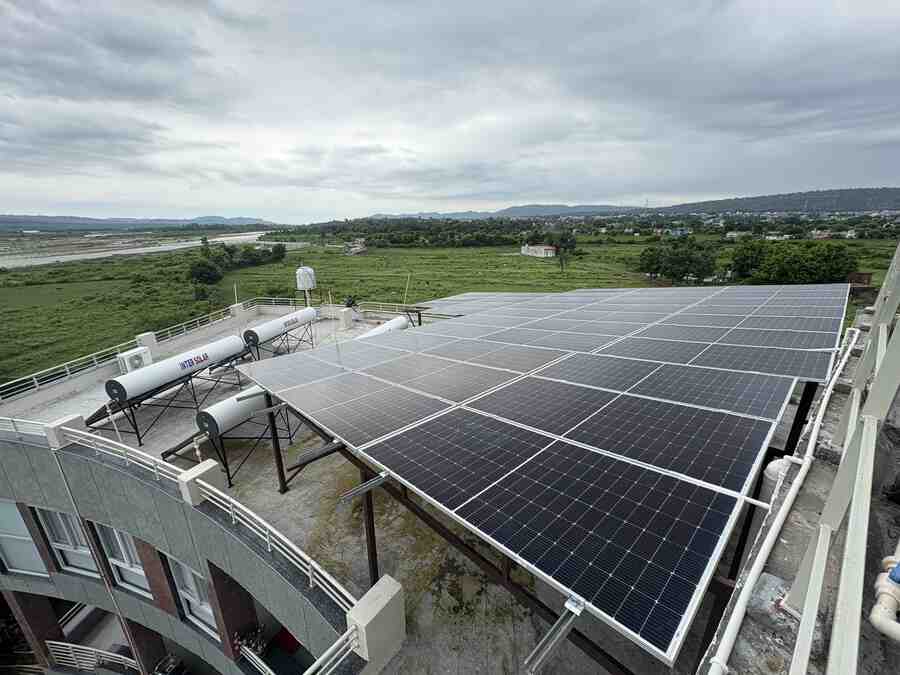
Ganga Prem Hospice has installed a 20KW-capacity rooftop on-grid solar power plant at its inpatient facility in Raiwala, Rishikesh. With elevated solar panels, an inverter, and grid-connectivity, the power plant harnesses solar power and generates electricity, which is consumed at the hospice, and any excess is supplied to the grid, thereby mitigating climate changing and adding some much-needed clean power-generation infrastructure to the state and country.
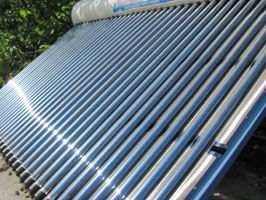
In the same year, GPH has also installed an additional 2000LPD solar water heating system, and a 2.2 kilowatt and 5HP submersible water pump in the campus. The addition of the 2000 litres-per-day solar water heating system augments the 4000 LPD system already installed at the hospice in 2017.
The 20KW solar power plant, 2000LPD solar water heating system, and the 2.2 KW solar submersible pump have been donated to Ganga Prem Hospice by Altilium Energie Pvt Ltd, Bangalore in 2025.
Waste Management
The Hospice has found a staunch ally in the Rishikesh based charity organization Clean Himalaya. Clean Himalaya has already provided invaluable advice to Ganga Prem Hospice and has promised ongoing support and education in the field of waste management. At present Clean Himalaya helps the hospice to dispose of its waste on a weekly basis. GPH reduces, reuses and recycles wherever possible, and has implemented a firm policy whereby the Hospice will never litter or pollute the nearby Ganga river or the surrounding habitat.
GPH segregates its waste at the source. Organic waste is composted but the option of a biogas system whereby kitchen waste is converted to fuel for cooking is currently being researched. The Hospice is already working with a medical waste disposal company which removes medical waste from the site. To avoid air pollution, no waste, organic or otherwise, is burnt on the site.
Wastewater Management
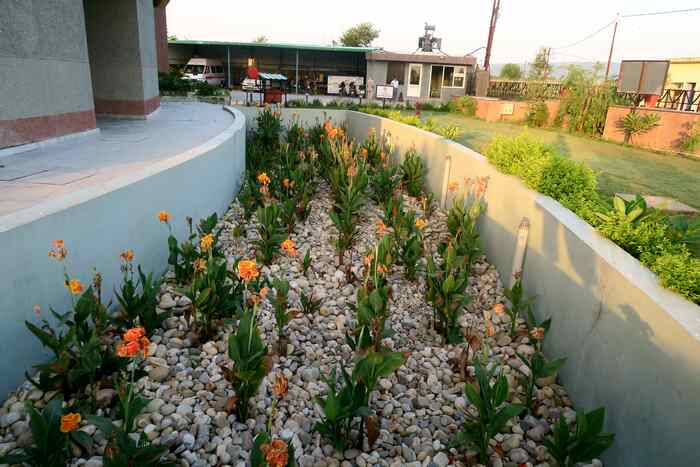
Ganga Prem Hospice uses a decentralised wastewater treatment system (DWWT) to treat wastewater and thereby protects the groundwater and the Ganga river. The Hospice works in partnership with the Centre for Science and Environment (CSE, Delhi) who have designed the system and who provide the technical support and carry out regular inspections. The DWWT is a natural/biological system which does not require any chemicals or electricity to treat the wastewater. The system treats black and grey wastewater for use in watering the garden.
Energy Efficiency Measures
The Ganga Prem Hospice in-patient facility has been creatively designed to reduce energy consumption and optimize the use of natural light and ventilation so that a centralized heating or cooling system will not be necessary.
A solar water heating system
At GPH we hope to install photovoltaic solar panels in order to provide a significant portion of the building’s energy needs. At present grid and generator backup are used as the energy producing system. LED lighting is installed throughout the facility. A domestic solar water heating system provides for the totality of the Hospice’s hot water requirements. GPH is currently researching biofuel backup generator options.
Use of insulation in the walls and ceilings, high performance glazing for windows and strategic planting of deciduous trees around the building are among the methods used by the Hospice to control the heating and cooling effect of the changing seasons.
Environment-friendly Site Plan
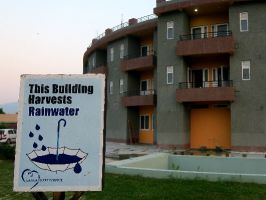
In order to mitigate disruption to the local microclimate, no asphalt is used on the site. Instead, pathways are made of permeable pavers, to help water percolation and mitigate the heat island effect. Swales are dug to direct the storm water into the garden areas and away from the building and rain water is harvested.
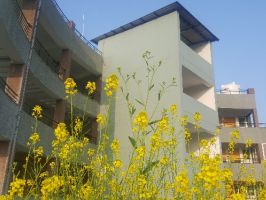
Numerous tress and creepers have been planted on the Ganga Prem Hospice and there is an ayurvedic herbal garden and flower gardens. Flowering and healing trees are planted around the building to give the facility a natural and calming ambience.
We are still working on our environmental plans and friends of Ganga Prem Hospice are invited to write in with any suggestions that they might have as to how the Hospice can best live in harmony with its natural surroundings and contribute to the healing process of the global environment.